Sudan food prices in 2026: what a family pays, and why it keeps rising
Ask a Sudanese family what has changed most since the war began and many will answer with one word: prices. Here is what the market monitors of the World Food Programme (WFP) and the REACH initiative recorded in 2026, in plain words, with every figure dated and linked.
Prices differ a lot from one state and one month to the next. These are national averages from the latest public reports we could check in November 2026. Always look at the sources for newer numbers.
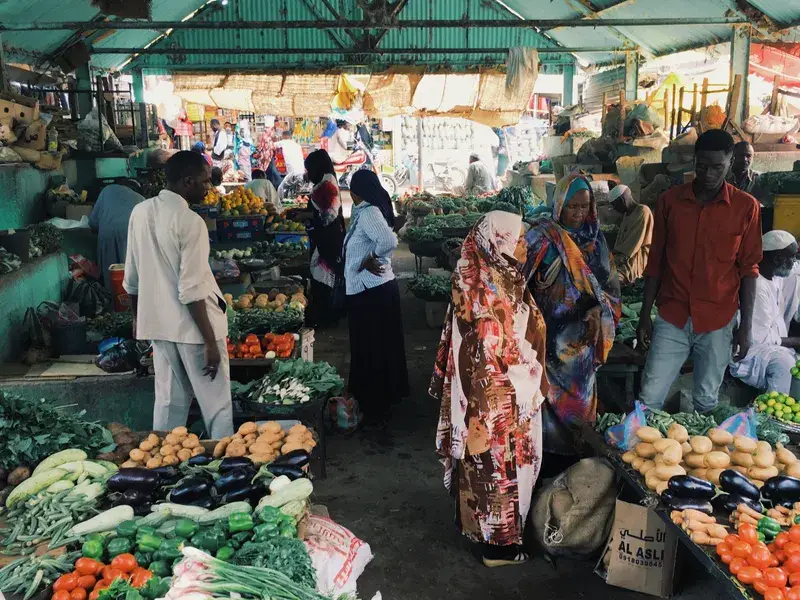

Staple prices: sorghum and wheat flour (April 2026)
WFP collects prices every month in each state capital. Its May 2026 Market Monitor reported national averages for April 2026:
- Sorghum, the bread of most Sudanese homes (kisra and aseeda): SDG 1,572 per kg, up 23.3% in one month and 22% in a year.
- Wheat flour: SDG 3,980 per kg, up 17.5% in a month and 47% in a year.
- WFP's local food basket: up 17.9% in a month and 37% in a year.
- Across all basic foods it tracks, WFP saw rises from 1% to 47% in that single month.
What a household needs for a month (July 2026)
Aid groups in Sudan price a Minimum Expenditure Basket: the food, household and hygiene items a family needs for a month. The REACH round of 2-11 July 2026 (1,210 trader interviews in 12 states) found:
- The national basket cost SDG 689,341, about US$194 at the bank rate, 9% more than in June.
- Food alone rose 11% in a month, led by vegetable oil (+49%), milk (+25%), dried tomatoes (+24%), onions (+18%), sugar (+11%) and sorghum (+9%).
- The most expensive baskets were in White Nile (SDG 919,208), North Darfur (SDG 784,481) and Blue Nile (SDG 758,456).
- Cooking gas rose 20% and water supply 17% in the same month.
A gift of food keeps its value when money does not. Choose sorghum, dates or what is most needed.
Why prices keep rising
- The pound keeps falling. WFP recorded SDG 4,050 per US dollar on the parallel market in April 2026, 12% weaker than in March and 58% weaker than a year before. (The bank rate used by REACH in July was SDG 3,550.)
- Smaller harvests. Sorghum reaching the Gadaref auction market from October 2025 to April 2026 was 192,421 tonnes, 19% below the five-year average.
- Broken supply routes and the lean season before the next harvest, which push prices up most in besieged and cut-off areas.
What this means for families
In the joint release of 15 May 2026, the UN food and children's agencies said nearly 19.5 million people in Sudan faced crisis levels of hunger or worse. When the price of oil jumps by half in a month, a family cuts meals, sells what it owns, or goes into debt. Behind each percentage is a pot that is half full.
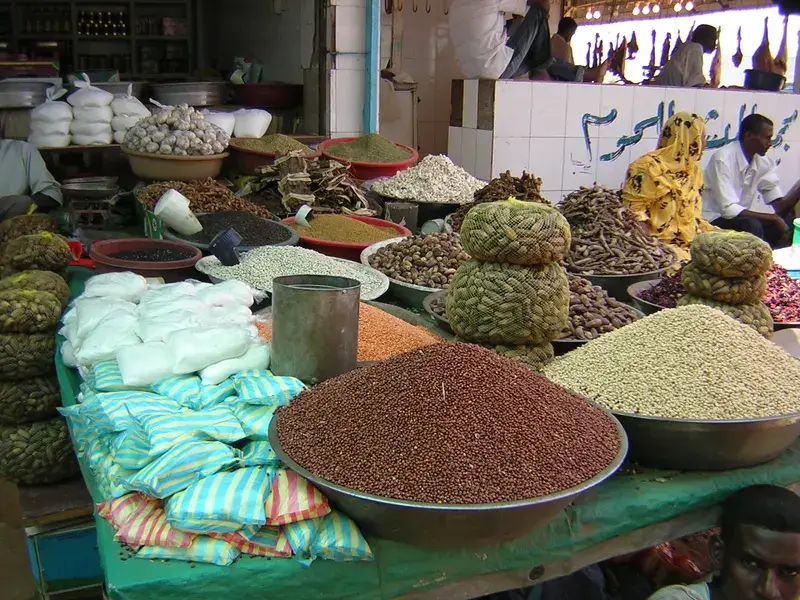

How our gifts deal with rising prices
- The volunteers buy in local markets, so the money also reaches Sudanese sellers and farmers. See Sudan's date farmers.
- Every purchase goes into the public ledger with the price in SDG and the rate used, so you see what your gift bought at that day's prices.
- Families receive goods, as a gift, not cash that may lose value before it is spent.
Send a gift today
Choose what your gift becomes: dates from Sudanese farmers, eggs, grain, poultry, or wherever it is most needed. Follow it in the ledger from the wallet to the family.
Gifts to Sudan is a volunteer initiative, not a registered charity, and holds no licence. 100% of what you give buys gifts; we cover the fees on our side, and the public ledger shows them.
Sources
- WFP: Sudan Market Monitor, May 2026 (April 2026 prices), via the Logistics Cluster (PDF)
- REACH and the Sudan Cash Working Group: Joint Market Monitoring Initiative factsheet, 2-11 July 2026 (PDF)
- FAO, UNICEF and WFP: "Risk of famine persists as nearly 19.5 million people face acute food insecurity in Sudan", 15 May 2026
- ReliefWeb (UN OCHA): latest Sudan reports, for newer price data
Read next
- How to help families in Sudan today: 8 honest ways
- Hadiyah and sadaqah: six differences, from the sources
- How to donate crypto to Sudan safely (USDT and USDC)
- The Sudanese date palm, and the farmers behind it
- How to send a gift to a family in Sudan: 5 ways, with their costs and risks
- Hadiyah, sadaqah and zakat: what is the difference?
- USDT for beginners: how a stablecoin gift works, step by step
- Why we give gifts, with love (the full explanation)