Hadiyah, sadaqah and zakat: what is the difference?
Three Arabic words, three kinds of giving. Zakat is a duty with fixed rules. Sadaqah is voluntary charity, open to anyone. A hadiyah is a gift, given out of love. People mix them up all the time, and the difference decides how your giving may be used. Here it is in plain words, with the sources.
| Zakat | Sadaqah | Hadiyah (gift) | |
|---|---|---|---|
| Duty? | Obligatory, a pillar of Islam | Voluntary | Voluntary, recommended |
| Who receives | Only the eight groups named in Qur'an 9:60 | Anyone in need, and good works | Anyone, rich or poor |
| How much | Fixed: commonly 2.5% of qualifying wealth held for a year | Any amount | Any amount |
| Spirit | Purifies wealth (9:103) | For the sake of God, best hidden (2:271) | Love and honour between people |
| Prophet's family | May not receive | Not for them (scholars differ on voluntary sadaqah) | May receive |
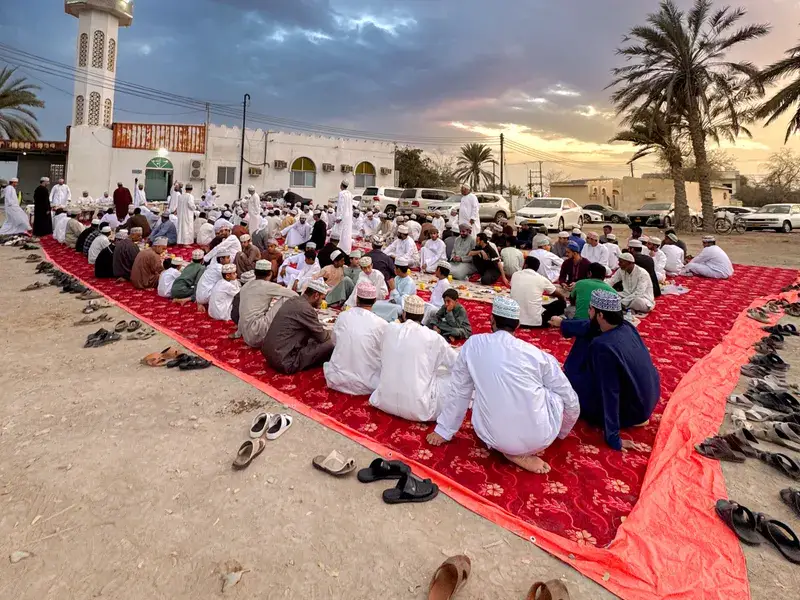

Zakat: a duty with an address
Zakat is not a donation you choose; it is owed. The Qur'an names who may receive it in Surah at-Tawbah 9:60: the poor, the needy, those who collect it, those whose hearts are to be won, freeing captives, people in debt, in the cause of God, and the stranded traveller. When the Prophet ﷺ sent Mu'adh to Yemen, he told him that zakat is "taken from their rich and returned to their poor" (Sahih al-Bukhari 1395).
Interestingly, the Qur'an itself calls zakat "sadaqah":
«خُذْ مِنْ أَمْوَالِهِمْ صَدَقَةً تُطَهِّرُهُمْ وَتُزَكِّيهِم بِهَا»
"Take from their wealth a sadaqah to purify them and cause them increase by it." (Qur'an 9:103)
So "sadaqah" in the wide sense includes zakat; in everyday speech it means the voluntary kind.
Sadaqah: open-handed, for the sake of God
Voluntary sadaqah has no fixed amount, no fixed time and a wide circle. The Qur'an praises giving it in secret (2:271). It is given because someone is in need.
Your sadaqah, their gift: give it so it arrives as a gift, with dignity.
Hadiyah: a gift says "I love you", not "you need this"
A gift needs no poverty. The Prophet ﷺ would ask of food brought to him whether it was a gift or sadaqah, and ate from gifts with his companions (Sahih al-Bukhari 2576). He said: "Give gifts to one another, you will love one another" (al-Adab al-Mufrad 594, hasan). That is why we hand food to families in Sudan as a gift: at their door, quietly, with no queue and no camera. Read six differences between a gift and sadaqah.
Can zakat be given as food or goods?
Scholars differ on paying zakat on money in kind (as goods rather than cash) and on moving it to another country. Because zakat has its own rules on who receives it and in what form, Gifts to Sudan does not accept zakat for now. If you owe zakat, ask a scholar you trust, or give it through a body that handles zakat under its rules.
So what do we accept?
Gifts and voluntary giving. For you, what you send is a good deed. For the family, it arrives as a gift of food or household goods, never as cash. 100% of what you give buys gifts; we cover the fees on our side.
Send a gift today
Choose what your gift becomes: dates from Sudanese farmers, eggs, grain, poultry, or wherever it is most needed. Follow it in the ledger from the wallet to the family.
Gifts to Sudan is a volunteer initiative, not a registered charity, and holds no licence. 100% of what you give buys gifts; we cover the fees on our side, and the public ledger shows them.
Compiled from cited sources. This is not a fatwa. Please ask a scholar you trust about your own case.
Sources
- Qur'an 9:60 (Tanzil)
- Qur'an 9:103 (Tanzil)
- Qur'an 2:271 (Tanzil)
- Sahih al-Bukhari 1395 on sunnah.com
- Sahih al-Bukhari 2576 on sunnah.com
- al-Adab al-Mufrad 594 on sunnah.com (graded hasan by al-Albani)
- National Zakat Foundation: "What is zakat?" (2.5%, the eight categories)
Read next
- How to help families in Sudan today: 8 honest ways
- Hadiyah and sadaqah: six differences, from the sources
- How to donate crypto to Sudan safely (USDT and USDC)
- The Sudanese date palm, and the farmers behind it
- How to send a gift to a family in Sudan: 5 ways, with their costs and risks
- Sudan food prices in 2026: what a family pays, and why it keeps rising
- USDT for beginners: how a stablecoin gift works, step by step
- Why we give gifts, with love (the full explanation)