USDT for beginners: how a stablecoin gift works, step by step
Many people who want to help Sudan have never touched crypto, and that is fine. You do not need to understand blockchains to send a gift safely. You need to understand four words and follow six steps. This page is written for a first-timer.
Four words to know
- Stablecoin: a digital token meant to stay worth one US dollar. USDT is issued by Tether, USDC by Circle. They are not a bank deposit and not risk-free, but their price is designed not to swing like bitcoin.
- Network: the road the token travels on. USDT runs on many networks (Tether lists Tron, Ethereum, Solana, TON and others). TRC-20 means "USDT on the TRON network".
- Address: a long string that works like an account number on one network. An address on one network does not receive tokens sent on another.
- Transaction hash (tx): the receipt of a transfer, public and permanent, that anyone can look up.
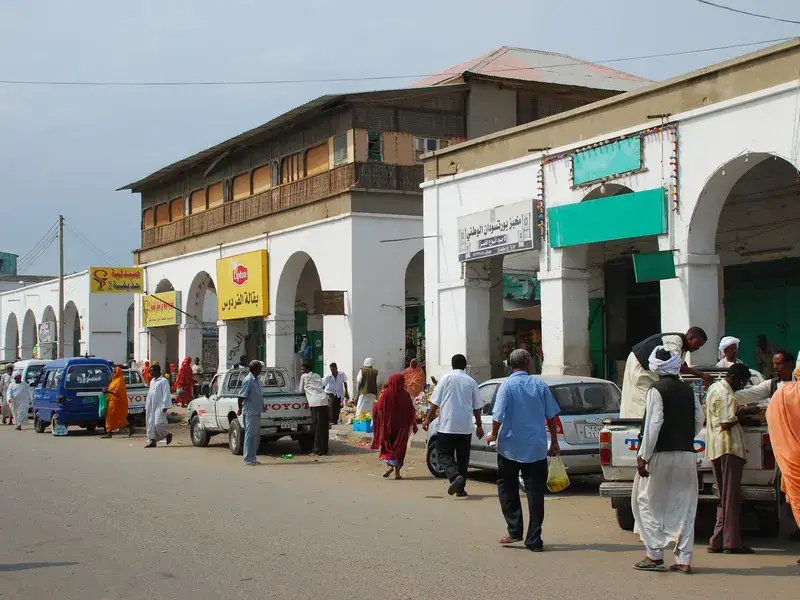

Why stablecoins for a gift to Sudan?
Banks often refuse or delay transfers to Sudan, and cash there is scarce. A stablecoin moves from any phone in minutes, keeps a dollar value while it travels, and leaves a public receipt. That last point matters to us: it lets every gift be checked in the public ledger.
Send your first gift in 6 steps
- Get USDT or USDC. Buy it on a regulated exchange or app available where you live, or ask a friend who already uses one. Check the rules in your own country first.
- Pick the matching network. On our Give page there are exactly two: USDT on TRON (TRC-20) and USDC on Base. Choose the coin and that exact network when you press "send" or "withdraw".
- Mind the fee. On TRON, a token transfer uses network resources called energy and bandwidth; if your wallet has none, it burns some TRX to pay. Exchanges usually show the fee and pay it for you; a personal wallet needs a little TRX first.
- Copy the address from the website. Never from your history or a chat. Then check the whole address, not just its ends.
- Send a small test first for a larger gift, then the rest once it shows.
- Keep the tx hash and paste it into "Check my gift"; we verify it on-chain and add it to the ledger.
Ready for your first gift? Our two addresses, with QR codes, are on the Give page.
Three mistakes beginners make
- Wrong network: sending USDT on another network to a TRON address. It may be lost for good.
- Trusting a message: anyone who sends you a "new address" or asks you to pay in a private chat. We never do.
- Rushing: scammers push urgency. A real gift can wait five minutes while you check.
More safety detail is in How to donate crypto to Sudan safely, and other ways to help are in How to send a gift to a family in Sudan.
What happens after it arrives
The volunteers convert what arrives through an exchange and buy food and household goods in Sudan's markets, which are handed to families as gifts. 100% of what you give buys gifts; fees on our side are covered by us and shown in the ledger. Families never receive crypto or cash from us.
Send a gift today
Choose what your gift becomes: dates from Sudanese farmers, eggs, grain, poultry, or wherever it is most needed. Follow it in the ledger from the wallet to the family.
Gifts to Sudan is a volunteer initiative, not a registered charity, and holds no licence. 100% of what you give buys gifts; we cover the fees on our side, and the public ledger shows them.
Sources
- Tether: supported protocols (networks for USDT)
- TRON developer docs: resource model (bandwidth and energy)
- Circle: USDC
- US Federal Trade Commission: what to know about cryptocurrency and scams
Read next
- How to help families in Sudan today: 8 honest ways
- Hadiyah and sadaqah: six differences, from the sources
- How to donate crypto to Sudan safely (USDT and USDC)
- The Sudanese date palm, and the farmers behind it
- How to send a gift to a family in Sudan: 5 ways, with their costs and risks
- Sudan food prices in 2026: what a family pays, and why it keeps rising
- Hadiyah, sadaqah and zakat: what is the difference?
- Why we give gifts, with love (the full explanation)