How your gift reaches a family
Your gift travels a short, honest road: from your wallet, to a trader's shop in Sudan, to a family's door. Here is every step, and who pays for what.
What happens after I give?
Your USDT or USDC arrives in our published wallet and is written into the public ledger. The volunteers change it into local currency through an exchange, buy goods in Sudan's markets with a receipt for each purchase, and give them to families as gifts, by hand. The gift, each purchase and each hand-over get their own ledger rows, and every fee on our side is covered by us and shown there too.
The four steps
- Received. Your gift lands in our wallet. We record the date, the network, the amount and the transaction link. When you use "Check my gift", the sending address is checked automatically against the public OFAC sanctions list of crypto addresses. Your name, phone and email stay private (encrypted); in public you stay anonymous unless you give a first name and a volunteer approves it.
- Converted. The volunteers sell the USDT or USDC for local currency through an exchange. The exchange rate is written next to each purchase in the ledger. Any fee here is covered by us, not taken from your gift, and is shown in the ledger as a fee and a top-up.
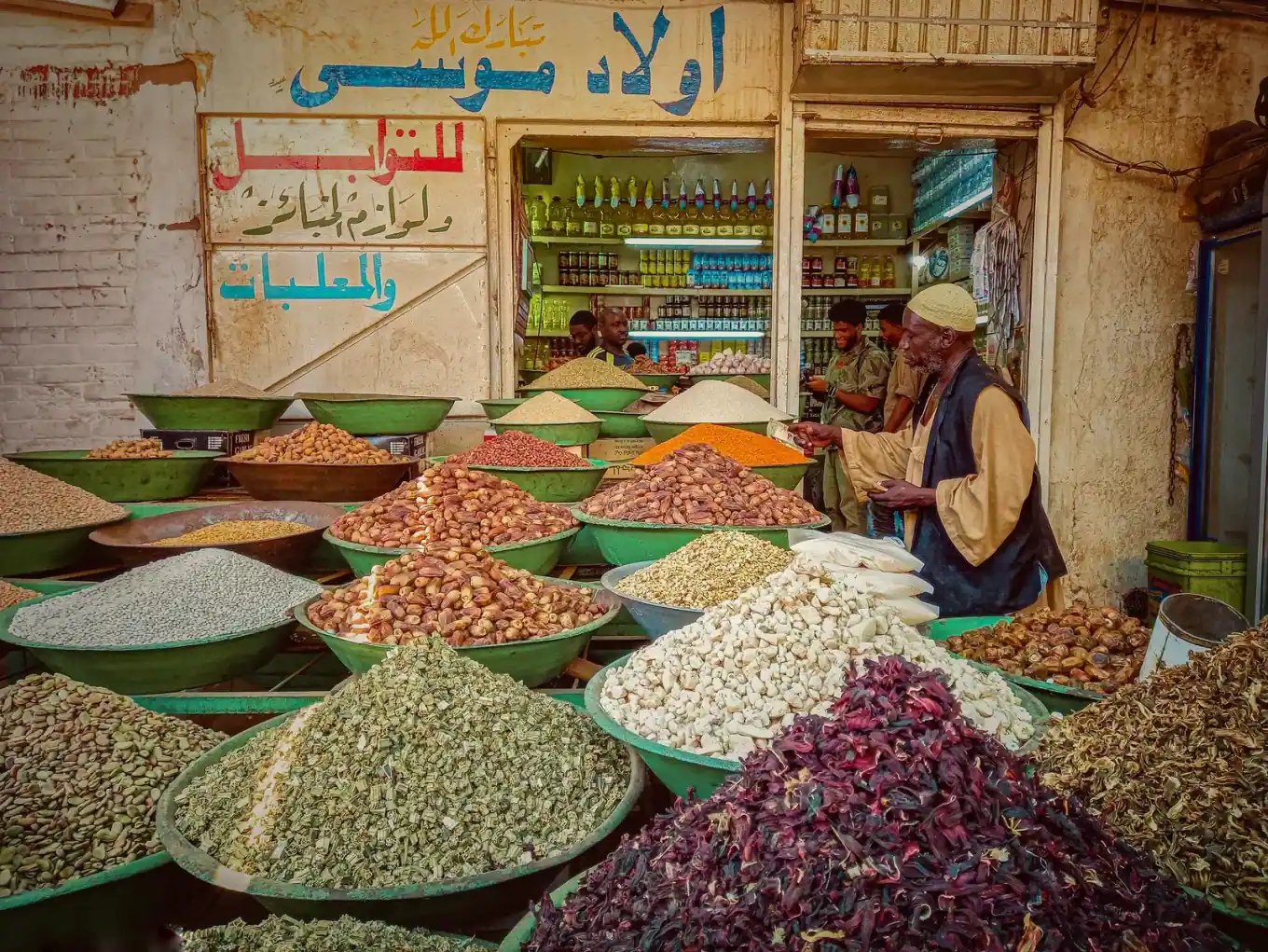
- Bought in Sudan's markets. The volunteers buy the goods in Sudan: from traders in local markets, and dates from Sudanese farmers. Every purchase has a receipt, shown in the ledger with personal details hidden.
- Given as a gift. The goods are handed to the family privately, by hand, as a gift. Before giving, the volunteers check the names of the people they give to against public sanctions lists. The family signs or gives a thumbprint for our private records. A photo is taken only if they want one, and never of a child's face.
Where do the gifts go?
We buy in Sudan, so every gift also supports Sudan's own farmers and traders. A good gift holds energy, protein and a staple:
- Dates from Sudanese farmers, given to families as gifts: energy that keeps, bought from the people who grow it.
- Poultry (protein), and later small poultry farms: we plan to help families start one, and then the farm itself is the gift, a lasting source of food and income. None has started yet; when the first one does, it will be in the ledger.
- Grain, such as sorghum or wheat, bought locally where we can.
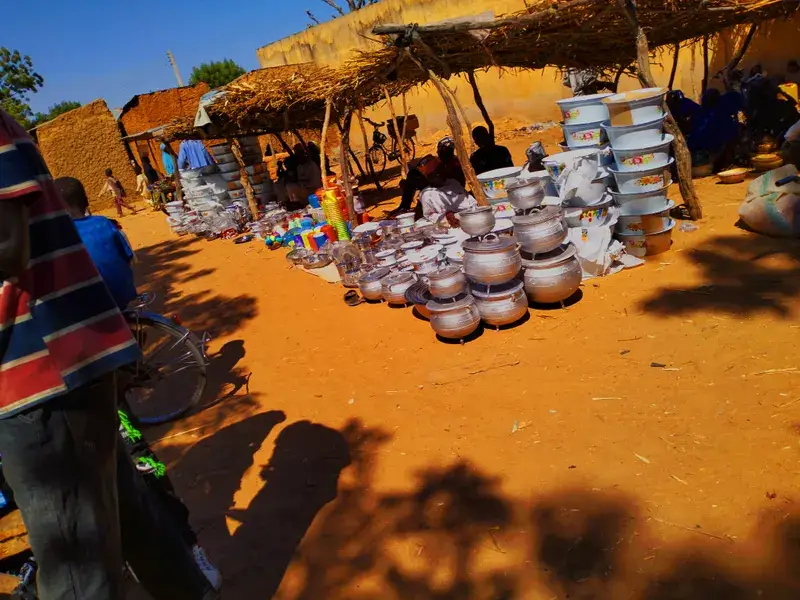
- Other things a home needs now and then: utensils and essentials.
You can choose. On the Give page you can say what your gift should become: dates, poultry, a poultry farm, grain, or wherever it is most needed. We honour it where we can, and the ledger says so honestly when we cannot.

What is in a gift?
It depends on what each family tells us they need. A typical gift may hold: sorghum or wheat flour, lentils, cooking oil, sugar, salt, tea and dates; a pot, a pan, a water jerrycan, plates and cups; soap and sanitary pads; a blanket or a mosquito net in the right season; school things for children. We do not give infant formula or medicines.
Why buy in Sudan instead of shipping goods in?
Food is still sold in most of Sudan's markets; what families lack is the means to buy it. Buying locally is faster than shipping, costs less, fits local taste, and keeps money moving through Sudanese traders. Where a market is empty or unsafe, we pause rather than take risks with people's lives.
How are families chosen?
By need only. The volunteers who give the gifts choose the families themselves. We look for households under the most strain: families who have fled their homes, homes led by women or elders, households with small children, illness or no income. Help goes to anyone in need, whatever their tribe, side or faith.
How do you protect the families?
In public, a family is only a code like F-0012 and a state. Never a name, never a town, never a face. Reports go online at least 14 days after a gift, with location data removed from every photo. A family that says no to photos receives exactly the same gift. We never ask anyone to thank donors on camera.

Who pays the costs?
We cover every fee on our side ourselves: the exchange fee, transfer fees and any cost of turning the money into goods. Volunteers are unpaid and take no expenses from donations. So what arrives in the wallet is what becomes gifts. The ledger shows each fee, and each top-up that covers it, so you can check it.